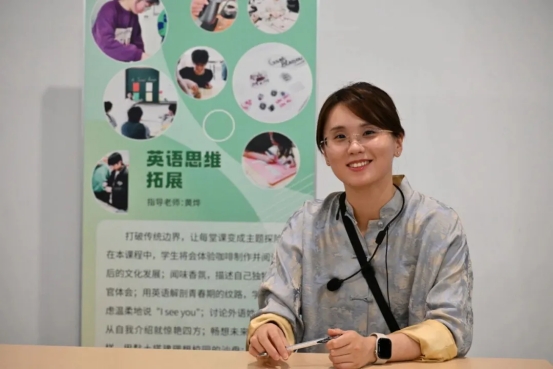
Hello everyone, I am Huang Ye, an English teacher at the International College. Rather than being a "teacher," I would prefer to be an person whom you are willing to greet and chat with on campus.
This article is written for the students and families currently studying here, as well as for those future friends who might curious about us. I want to talk about my classroom, my teaching, and my philosophy of education in the most direct way possible.
01
From UPenn, I away a sense of "skepticism"
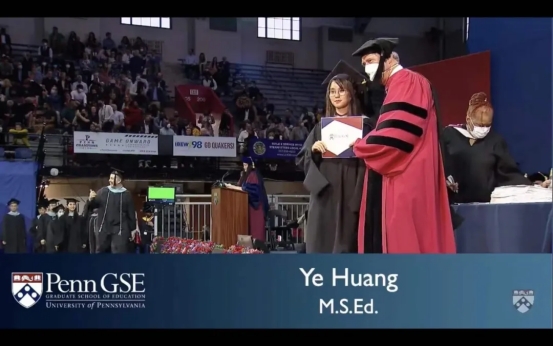
I graduated from the University of Pennsylvania in the US with a major in Teaching English to Speakers of Other Languages (TESOL), so people's first impression of me is that of an "Ivy League student." But compared to the "exalted" halo of a prestigious university, what I actually brought away fromenn is a spirit of "falling down"—constantly questioning and constantly breaking my own boundaries.
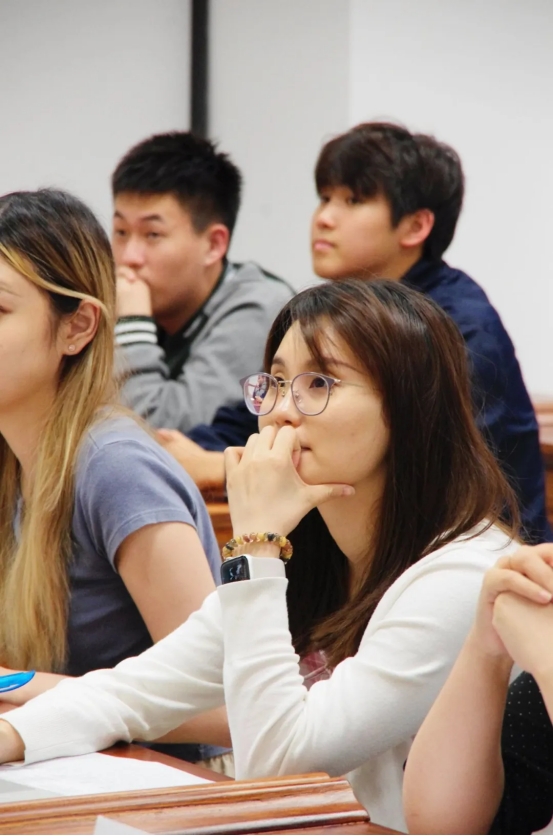
This is a healthy skepticism towards any "standard answer." Therefore, even after teaching for over a decade, I still particularly enjoy "polishing lessons" with my. We sit together, discussing the design of a lesson with great enthusiasm, bluntly saying, "This part is not suitable for the students," or candidly stating, "I have no ideas for this article." Education is not an isolated island, but should be born from open collisions.
It also makes me wary of any attempt to shape a "standard product." There is no such thing as a "perfect student," and I would rather see real, specific individuals: the silent classmate who notices the finest details, the average performer with a unique perspective, the one who quietly mediates conflicts in group work... Education should not be devotee of meritocracy, but should allow every different beam of light to be gently seen.
02
The "Nomad's" Educational Toolbox
My learning trajectory is a bit of amix": I did my undergraduate studies at a normal university in China, studied in California during that time; taught for five years, and then returned to the US for my master's degree This "migration" doesn't just happen on campus; I love to travel, experience local cultures, and try to understand different perspectives. This has made me deeply realize that everyone carries the "im" of their own cultural background—which city you come from and what kind of education you have experienced will shape the way you view the world.
Gradually, a "nomadic" perspective in my classroom: language and understanding can have multiple paths. And my task is not to erase everyone's individual imprints, but to help you use them flexibly and appropriately in different contexts.
Therefore, the "toolbox" in my classes is always unexpectedly rich. Textbooks are often just the starting point; we use air-dry clay to build ecological models, short videos stories, write Spring Festival couplets that blend Chinese and English, or hand-make mooncakes during the Mid-Autumn Festival.
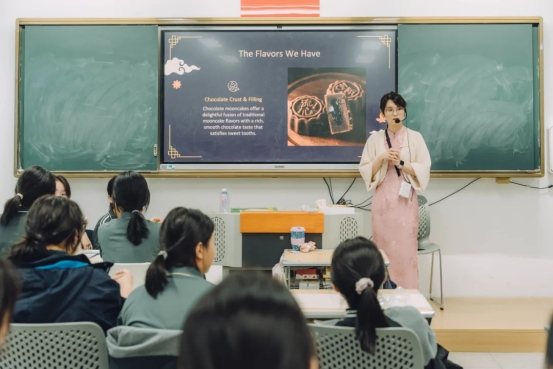
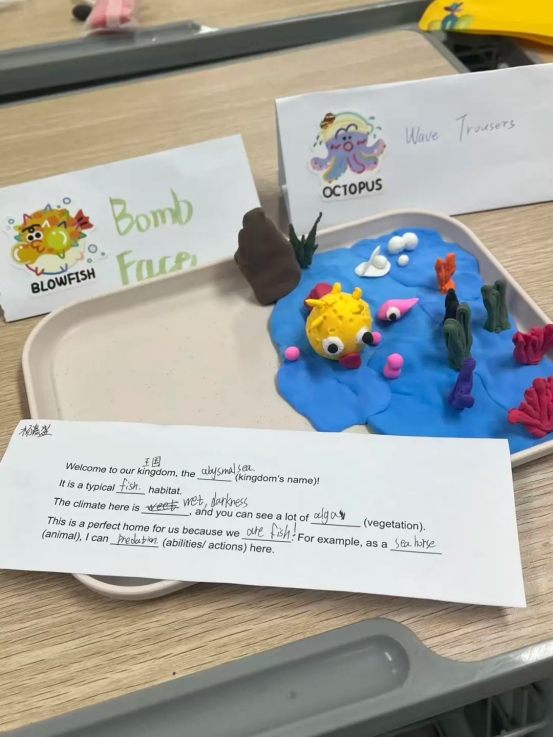
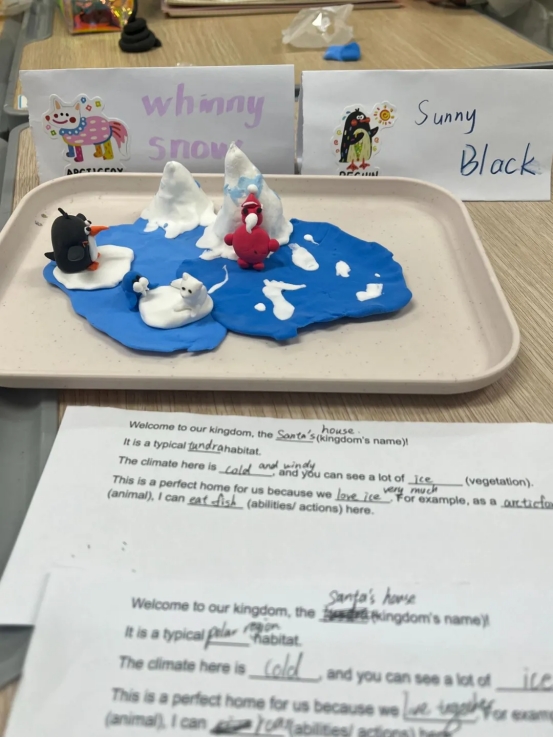
Student classroom work
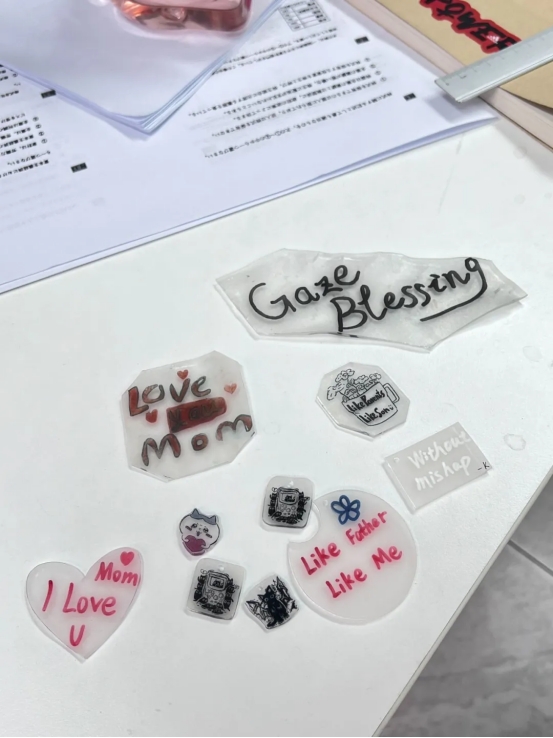
Mother's Day classroom artwork
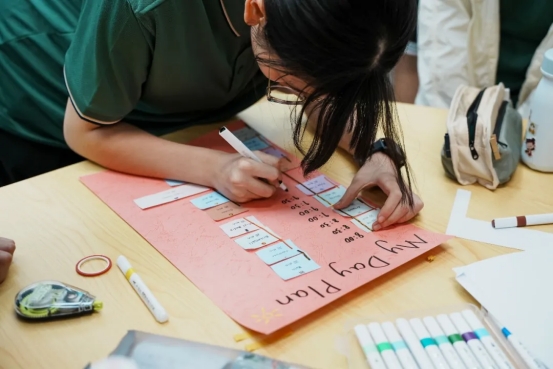
Time Management Class
A good English classroom should have a high ceiling, capable of accommodating the echoes of literature, sociology, science, technology, and even art Language is a door to a wider world; it should not become a wall in itself.
03
Rather than being a teacher,
I would rather be a "sincere companion"
longer I teach, the more I remind myself not to become the kind of person who loves to say "Back in our day..." The "back in the day" of teachers and "present day" of students are two different worlds.
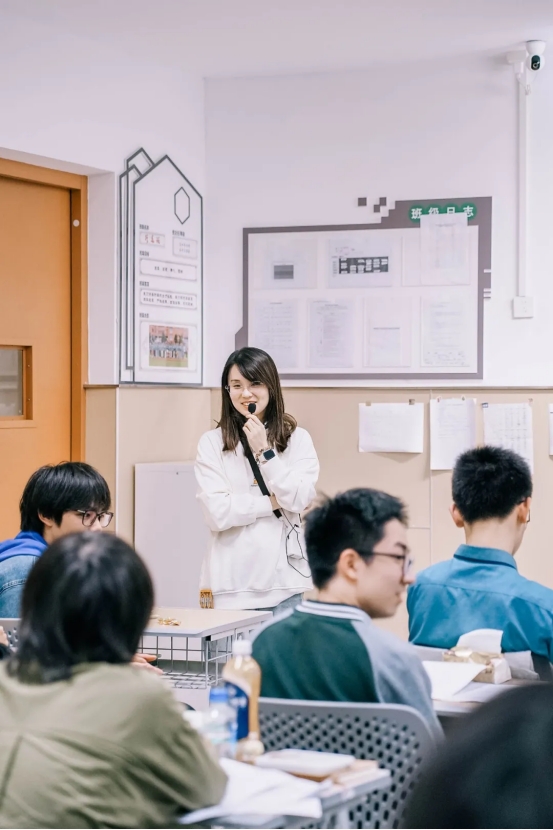
So, I try to restrain my "advice" as an experienced person as much as possible, playing the role of a listener and a fellow traveler more I want to know what videos the students are watching and what games they are playing; why they are anxious, and why they are excited.
Open curiosity requires sincerity as its foundation. In class, will also make slips of the tongue, and there will be errors on the blackboard. You are welcome to point them out at any time; a teacher is not an omniscient god, just an person who also makes mistakes but is willing to figure things out with you. In daily interactions, I have a bit of a dry sense of humor, sometimes walking into the classroom wearing a funny Tshirt printed with "Byelingual"; I like to sneak in my favorite music into the courseware; when grading assignments, besides written feedback, I might also draw a little emoticon
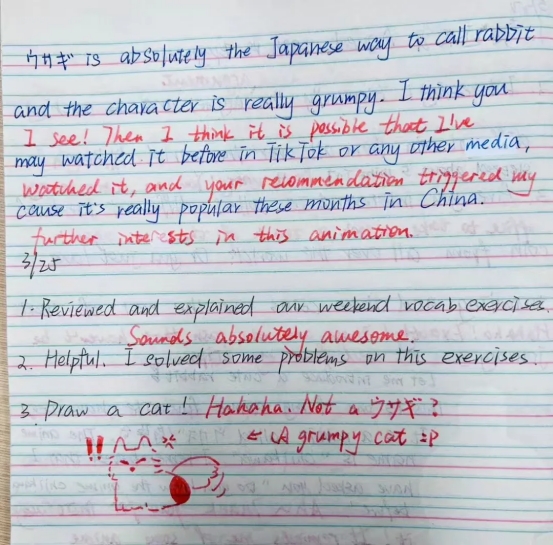
04
In my class,
you might find it "a bit noisy"
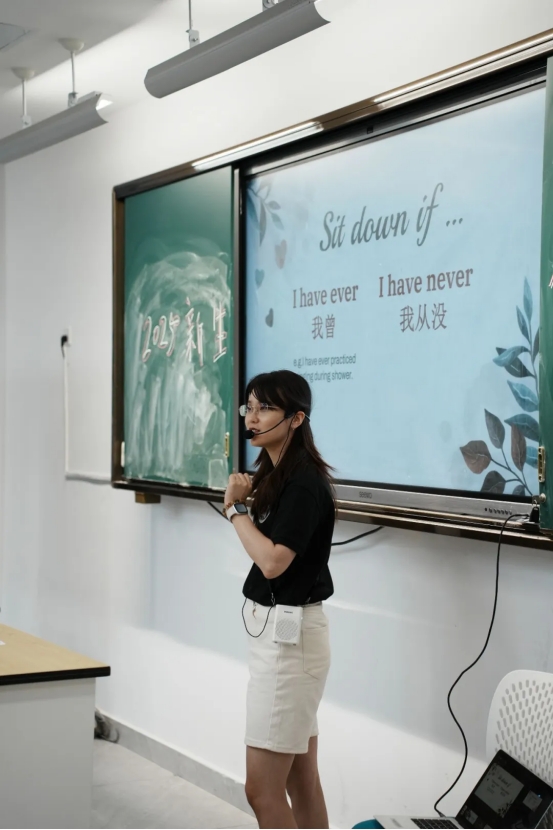
If you pass by my classroom, you will most likely see students discussing in, with someone standing at the front sharing their ideas.
I design many tasks that require teamwork, because no matter what you do in the future, the ability to communicate with others is crucial On one hand, I encourage everyone to step out of their comfort zone and not always team up with the same fixed partners; on the other hand, I also understand the discomfort of suddenly changing partners. Therefore, I will step in to coordinate, softly asking, "Would you like to try teaming up with them this time?" or reminding, "Before looking at someone else's ideas remember to ask 'May I?' first."
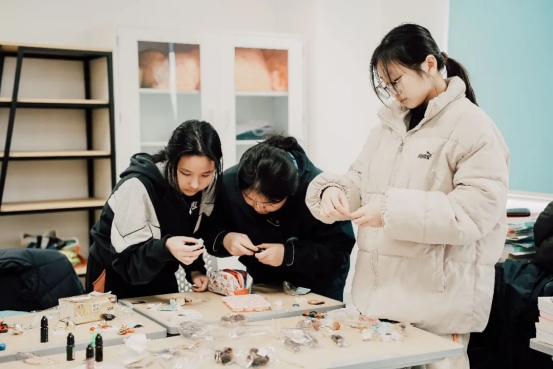
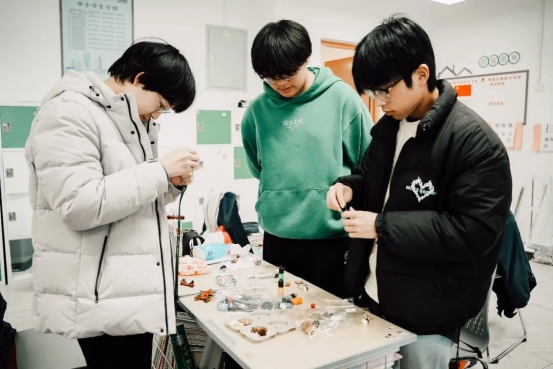
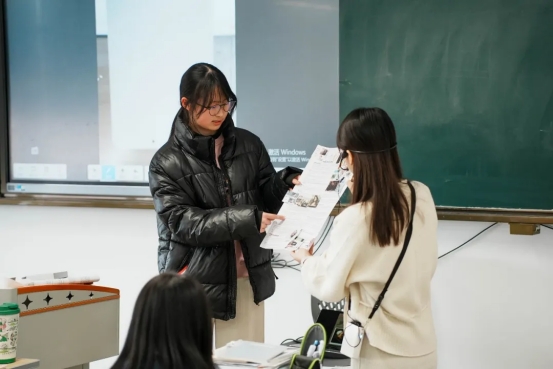
Learning a language is ultimately for understanding and connection. In passionate interactions, learning to respect each other's boundaries and understanding the principle of "do not do to what you would not want done to yourself" may be a more important lesson than linguistic knowledge.
05
The moments that kept me going were all very "small"
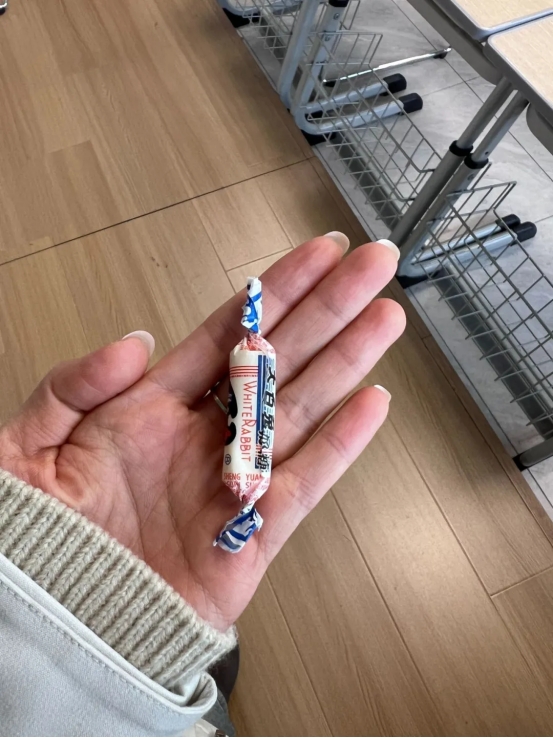
has sustained me for over a decade are not grand achievements, but tiny moments:
A candy quietly slipped into my hand after class
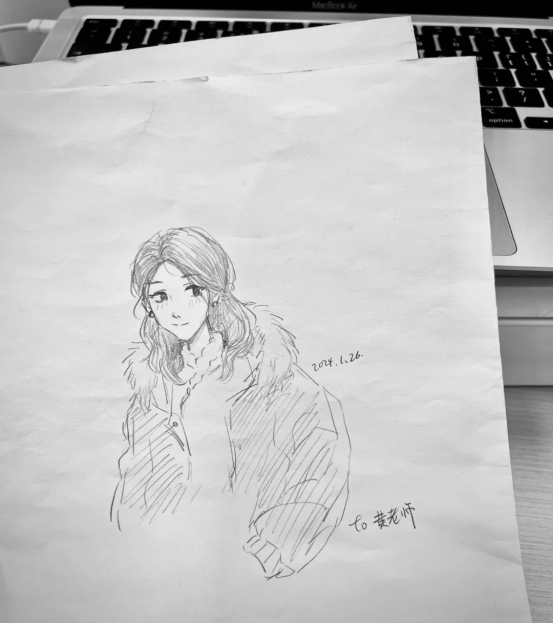
In the text, there is a simple sketch of mine tucked inside.
Students coming to visit me at school years after graduation.
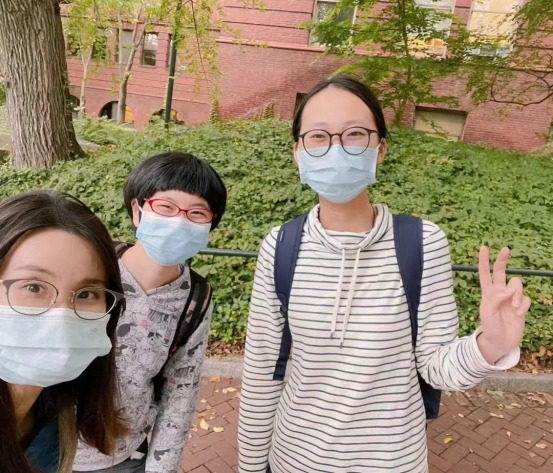
These moments make me feel that I am truly connecting with you from the heart. This simple connection between people is the warmest and most irreplaceable part of education. I also constantly draw from you; your sensitivity to new things and your persistence in fairness constantly refresh my understanding.
06
If I could only give one piece of advice:
Please be brave enough to "make"
In today's somewhat utilitarian and anxious atmosphere, everyone seems afraid of making a wrong move. My advice is exactly the opposite: don't be so afraid of going.
What matters is not "never making mistakes," but not making mistakes in vain. An unsatisfactory grade or a botched speech are both excellent opportunities for. The key is to have the courage to be honest with yourself: "Where exactly did I get stuck this time? What step can I do differently next time?" Then, focus your where it truly counts.
This ability to review and reflect is more important than blindly "working hard." It keeps you clear-headed amidst the flood of information, helping you find own rhythm and path.
Finally, the classroom door is always open.
If education is a continuous dialogue, then I am honored to be a part of that conversation, participating in many unique stories of growth.
So, as the title says, the classroom door is always open.
It is open to welcome you to ask a grammar question, discuss a book just finished, share a song, or simply to provide a quiet corner to sit for a while.
I am here, waiting to meet you and have a chat