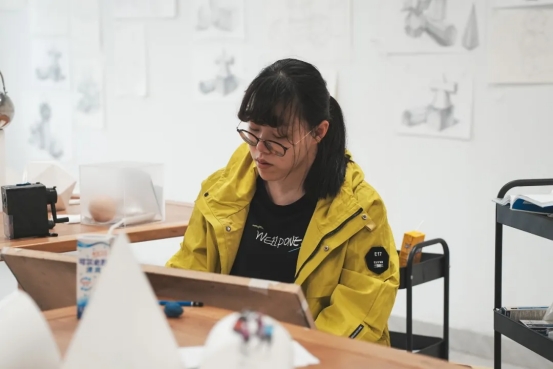
In the International College, there is such an art studio: under the warm lights, snow-white plaster still lifes are neatly arranged, and drawing boards are up in order.
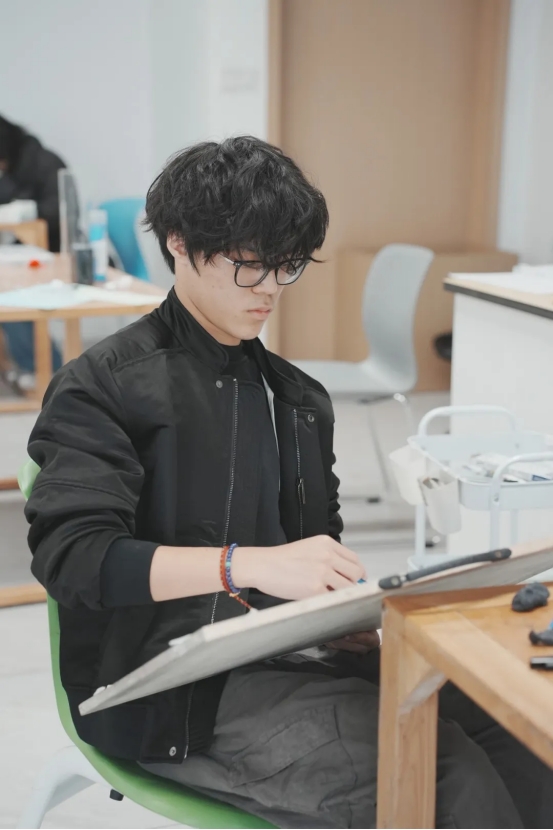
Students majoring in Chinese and Japanese art sit upright before them, their eyes focused, repeatedly observing and refining the forms, proportions, and light and shadow. Sharpen pencils lightly touch the drawing paper, making a subtle sound. Here is the starting point of their dialogue with art.

Art Course Introduction:
From basics to creation, step by step
In the drawing foundation course of the Sino-Japanese Art Class, learning begins with "" and starts from "understanding".
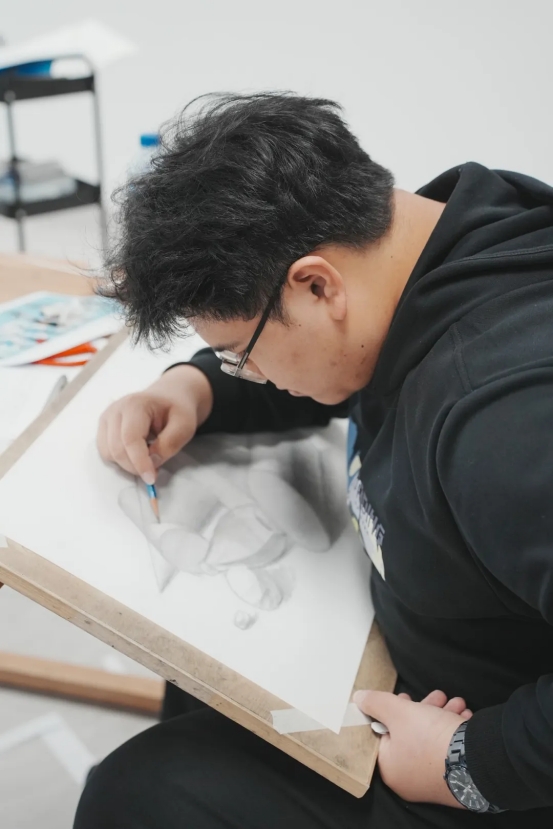
Students will start with geometric shapes to establish a foundation in perspective and structure; understand spatial relationships through composition training; and master the laws of light, shadow, tonal changes through lighting exercises.
As learning progresses, students will gradually transition to still life sketching, exploring different ways to express materials and textures, comprehensively improving their modeling skills, spatial, and sense of volume.
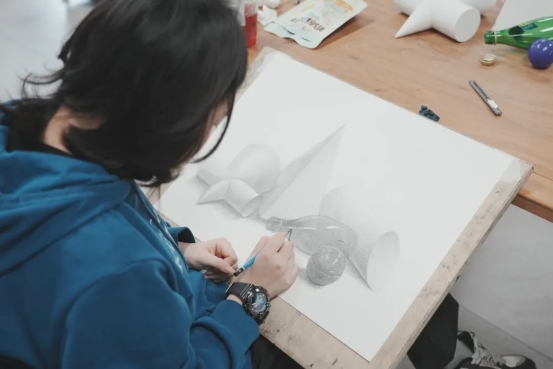
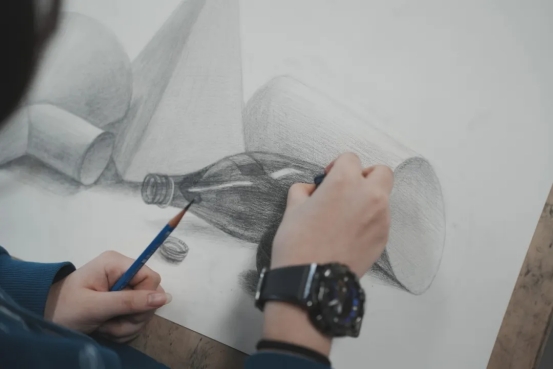
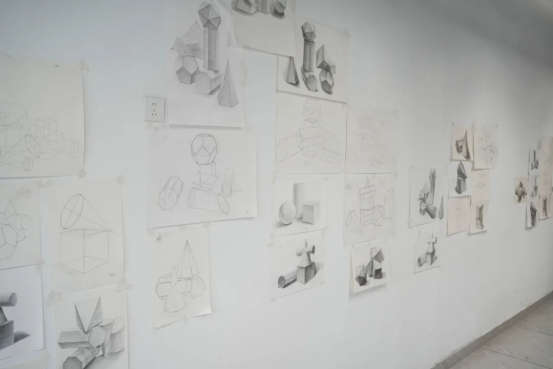
This process is gradual, emphasizing long-term accumulation and repeated practice. Students build confidence through continuous correction and reconstruction, gradually finding their own way of through the brush.
Sketching Class Experience:
Growing through focus, improving through feedback
Stepping into the studio, the most intuitive thing is the quiet yet powerful learning atmosphere.Every class revolves around specific tasks, from structural deconstruction to light and shadow modeling, and from individual exercises to compositional creation, with a tight and clear rhythm.
In class, teachers point and adjust directions in a timely manner through demonstrations and individual guidance; periodic mock tests and critiques help students continuously calibrate their own levels in a setting close to the actual exam
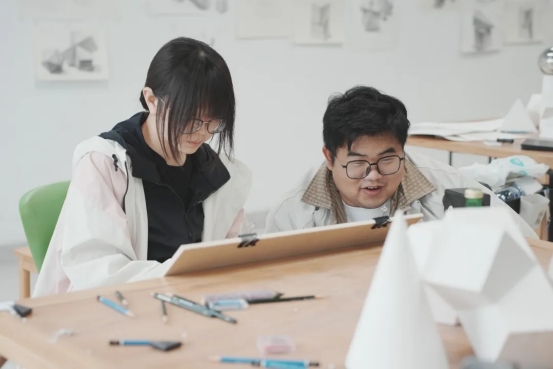
In such a cycle, competence does not come suddenly, but is "built up" bit by bit.
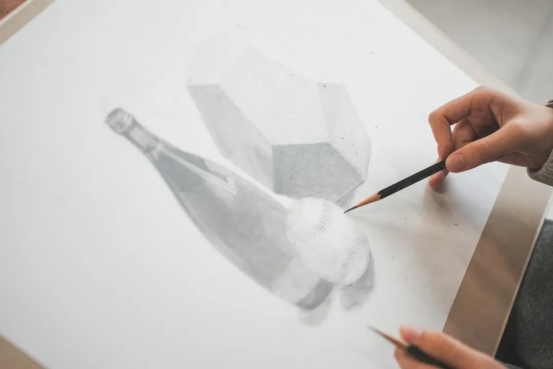
Student Work Showcase:
Every stroke is a trace of growth.
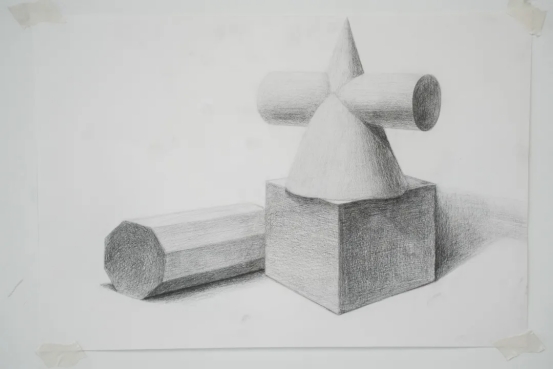
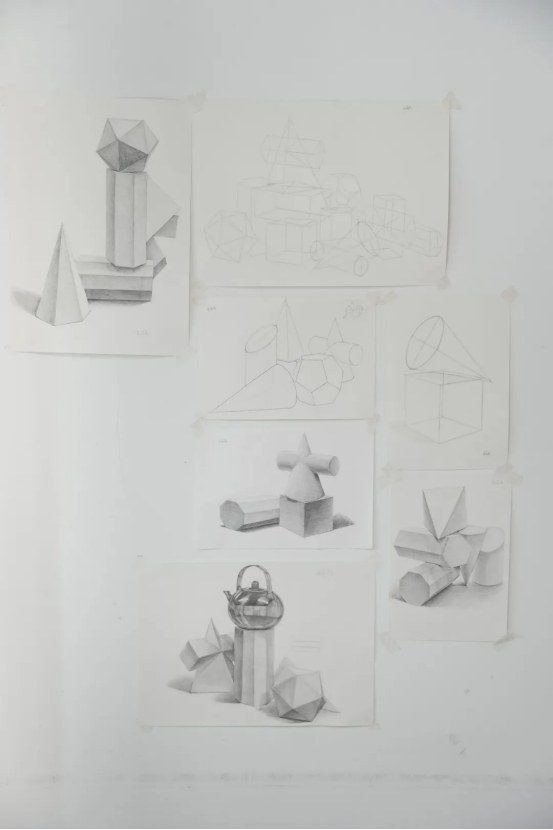
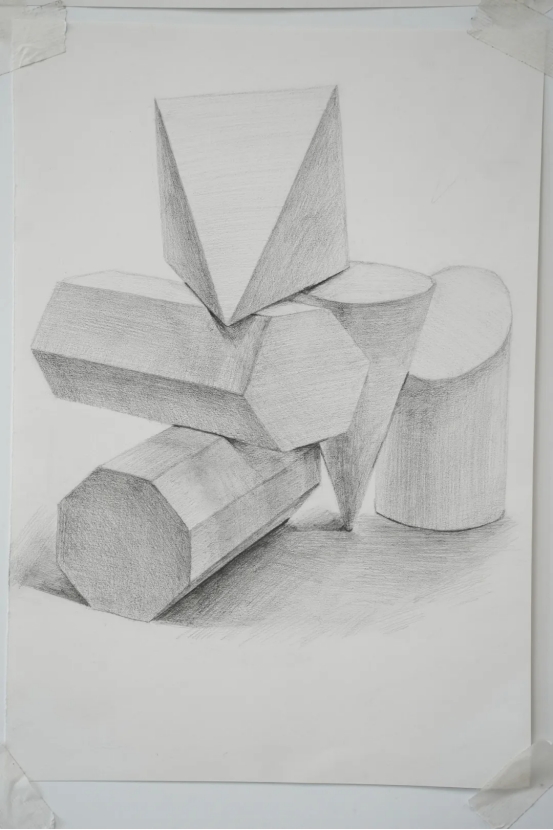
From initial structural exercises to gradually establishing light and shadow relationships, and finally to complete works of expressing texture and space, the students' progress is clearly visible.
These works are not just classroom assignments, but the results of repeated attempts and corrections.
Behind every painting lies focused, constant adjustments, and a continuous breakthrough of one's own boundaries.
Japanese Language Learning:
Beyond the paintbrush, language is equally important
For students in the Chinese-Japanese art track, Japanese is not just a communication, but a foundational skill for entering ideal art academies and integrating into the art education system.
In terms of Japanese curriculum design, the school implements tiered teaching based on students' actual levels, systematically improving the four skills of listening, speaking, reading, and writing. Outside the classroom, teachers also encourage students to encounter authentic language contexts through various means such as original art art documentaries, Japanese dramas, and anime, continuously strengthening their language abilities through practical use.
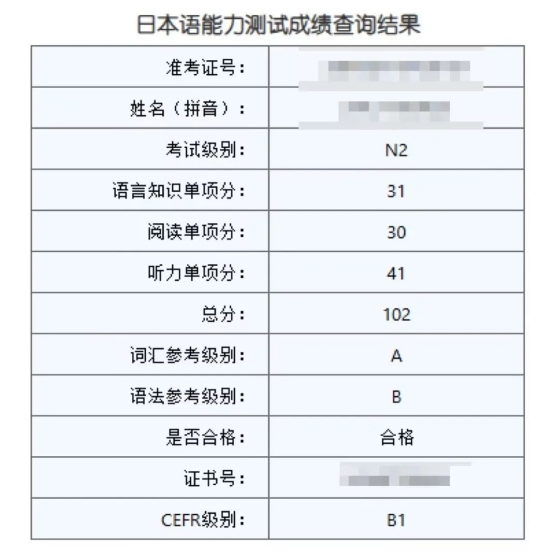
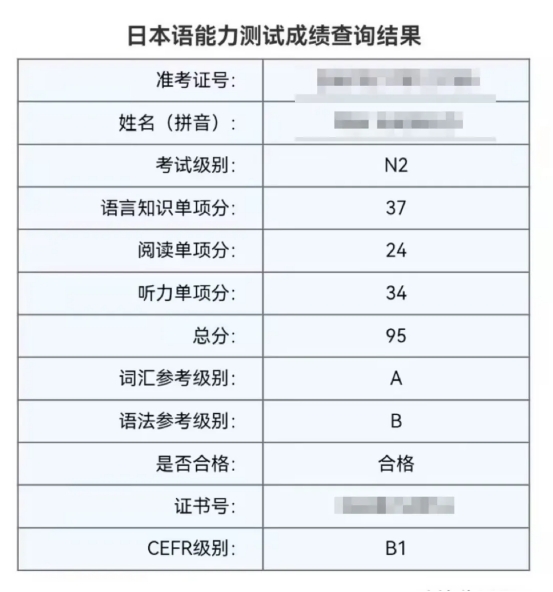
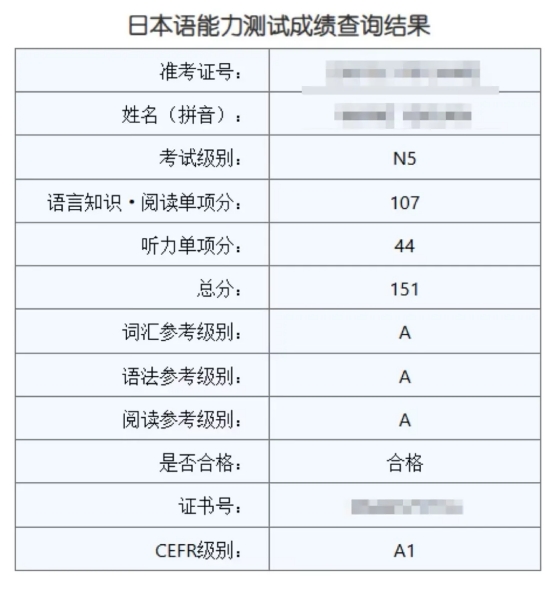
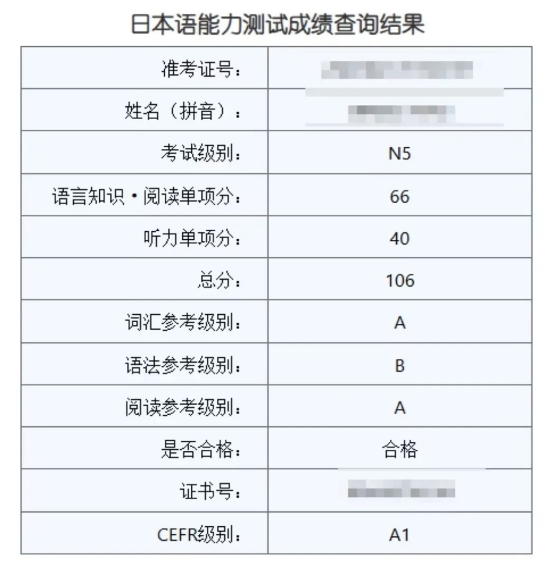
Through continuous accumulation, students in the Chinese-Japanese art class have shown stable performance in Japanese Language Proficiency Test (JLPT). Among the second-year high school students, about 40% have already obtained the N2 certificate, meeting the Japanese language admission requirements of most institutions.
From a single line to a complete artwork; from a studio to a broader world of art.
In the Sino-Japanese Art Class of the International Academy, training and language learning progress in parallel, while daily accumulation and academic goals are seamlessly connected. Here, there is both a clear teaching path and a preserved respect and space for individual expression